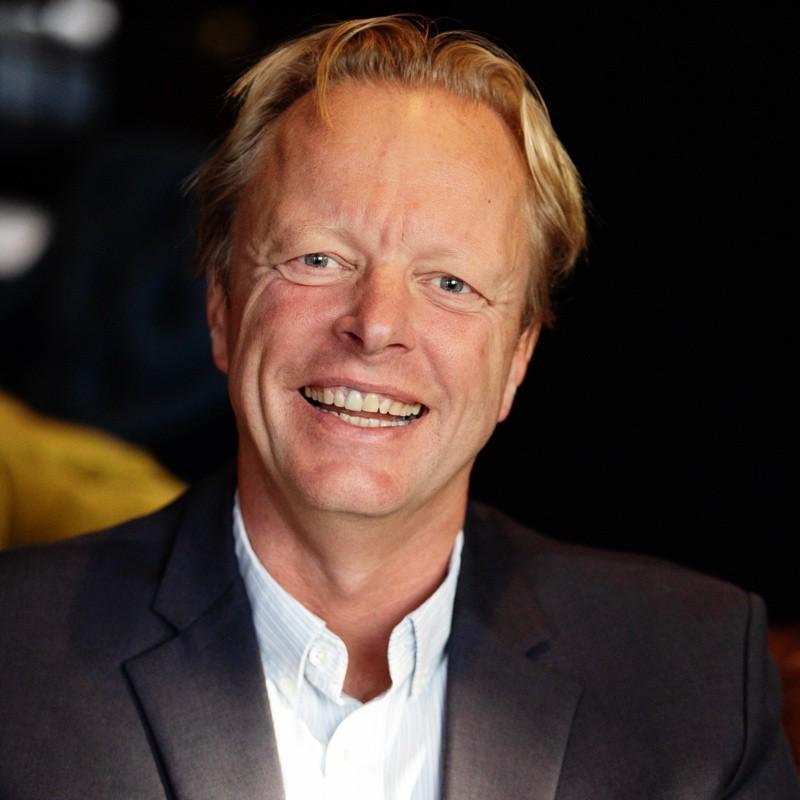
Mozambican President Daniel Chapo has called on the private sector to convert the country's substantial LNG investment pipeline into a broader engine of economic development, urging industry to translate capital flows into industrial growth, employment, and stronger local businesses. Speaking to the sector, Chapo highlighted that more than $50 billion in investments are tied to energy development in the Rovuma Basin, and argued that this capital base positions Mozambique to emerge as a regional energy hub.
The Rovuma Basin remains one of Sub-Saharan Africa's most significant hydrocarbon provinces, with its LNG potential having attracted some of the world's largest energy companies over the past decade. Despite well-documented setbacks — including security disruptions in Cabo Delgado that have delayed key project timelines — the Mozambican government is maintaining its ambition to leverage these resources as a transformative economic platform. President Chapo's remarks signal that the administration intends to hold the private sector accountable for delivering benefits beyond the project fence line.
The president's push for local economic integration is consistent with a broader trend across African LNG-producing nations, where governments are increasingly demanding that large-scale energy projects generate tangible domestic value. For Mozambique, this means pressure on operators and their supply chains to prioritise local content, develop ancillary industries, and create sustainable employment. The emphasis on transforming an investment pipeline into an industrial growth engine suggests the government is looking beyond royalty revenues and toward downstream and service-sector development as the primary metrics of success.
For international service companies already present or monitoring Mozambique, the presidential intervention carries practical implications. It reinforces that operators working in the Rovuma Basin will face continued — and likely intensifying — local content requirements, making partnerships with Mozambican businesses not merely a regulatory obligation but a commercial necessity. At the same time, the government's visible commitment to the $50 billion investment narrative suggests that, despite past delays, Mozambique's LNG ambitions remain politically supported at the highest level, reducing some of the sovereign risk concerns that have caused certain investors to pause.
The scale of the Rovuma investment figure also underscores the breadth of service and infrastructure demand that will materialise as projects advance. From upstream drilling and subsea infrastructure to LNG processing, marine logistics, and pipeline development, the activity profile across Mozambique's energy sector is extensive. Companies that position themselves now — building local relationships, understanding regulatory expectations, and developing compliant local content strategies — will be better placed to capture work as project phases progress. President Chapo's statement, while directed at domestic industry, is equally a signal to the international business community that Mozambique expects its energy boom to be shared.